
NEWS

Founders want employees who think like founders. The best senior hires have a rarer skill, managing the founder. Here is what that means when you hire.

I posted something on LinkedIn a couple of weeks ago that I had been sitting on for a while. A confession, really. That I should never have cofounded a business. The response took me by surprise a litte. Not the likes or the comments. The DMs. Other founders reaching out saying they had done the exact same thing for the exact same reason or knew someone who had. And none of them had said it out loud before either. So I wanted to go deeper. Because the post scratched the surface. This is the full story.
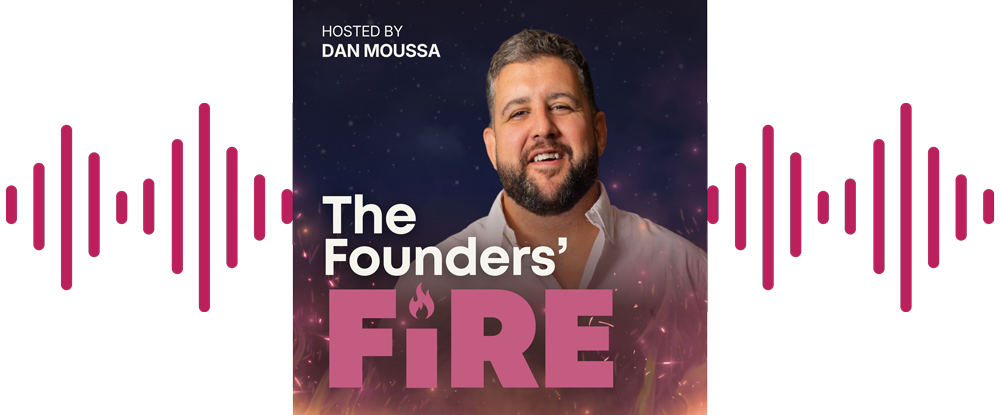
A new podcast where founders speak openly about what it really costs to build a business. Launching next week

The Albanese Budget Hurt - now what?
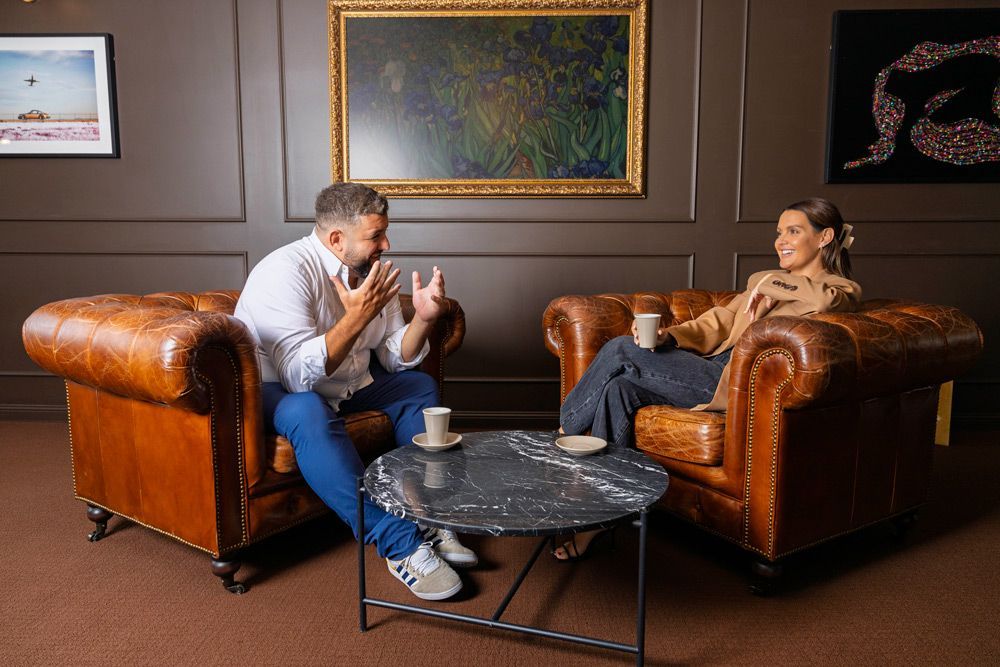
Last month I spent the week on the mic at the HKFC 10s in Hong Kong. Ground announcer for an invitational tens tournament that pulls squads from every corner of the world into Football Club for two days of competition. The format is brutal in a way that should fascinate every founder I work with. Players land on Sunday or Monday morning. Most have never met. Coaches meet players at the same time. Captains figure out who plays where on the drive in from the airport. By Tuesday morning they are in pool play. By Wednesday night, trophies are lifted. Forty eight hours from strangers to a team that wins. Sit pitchside for an afternoon and you can tell which squads have done it well. The ball moves with intent. Defensive lines hold their shape under pressure. When something breaks down, players talk to each other rather than over each other. The wins and losses sort themselves out inside the first pool game. The squads that get it wrong are easy to spot too. The second-guessing, the over-corrections from the sideline, the body language of a fly-half who does not yet trust his nine. Talented players, no team. They tend to go home early. I have been thinking about this for two weeks. Mostly because I watch founders try to build teams every day and I see them spend months on what an invitational squad delivers in two. The question is not whether founders are working hard at it. They are. The question is what the rugby squads have understood that most organisations have not. Five things separate the squads that arrive as strangers and leave as a team from the ones that just leave.
Part 3 of the Leadership Lessons We’re Still Getting Wrong series

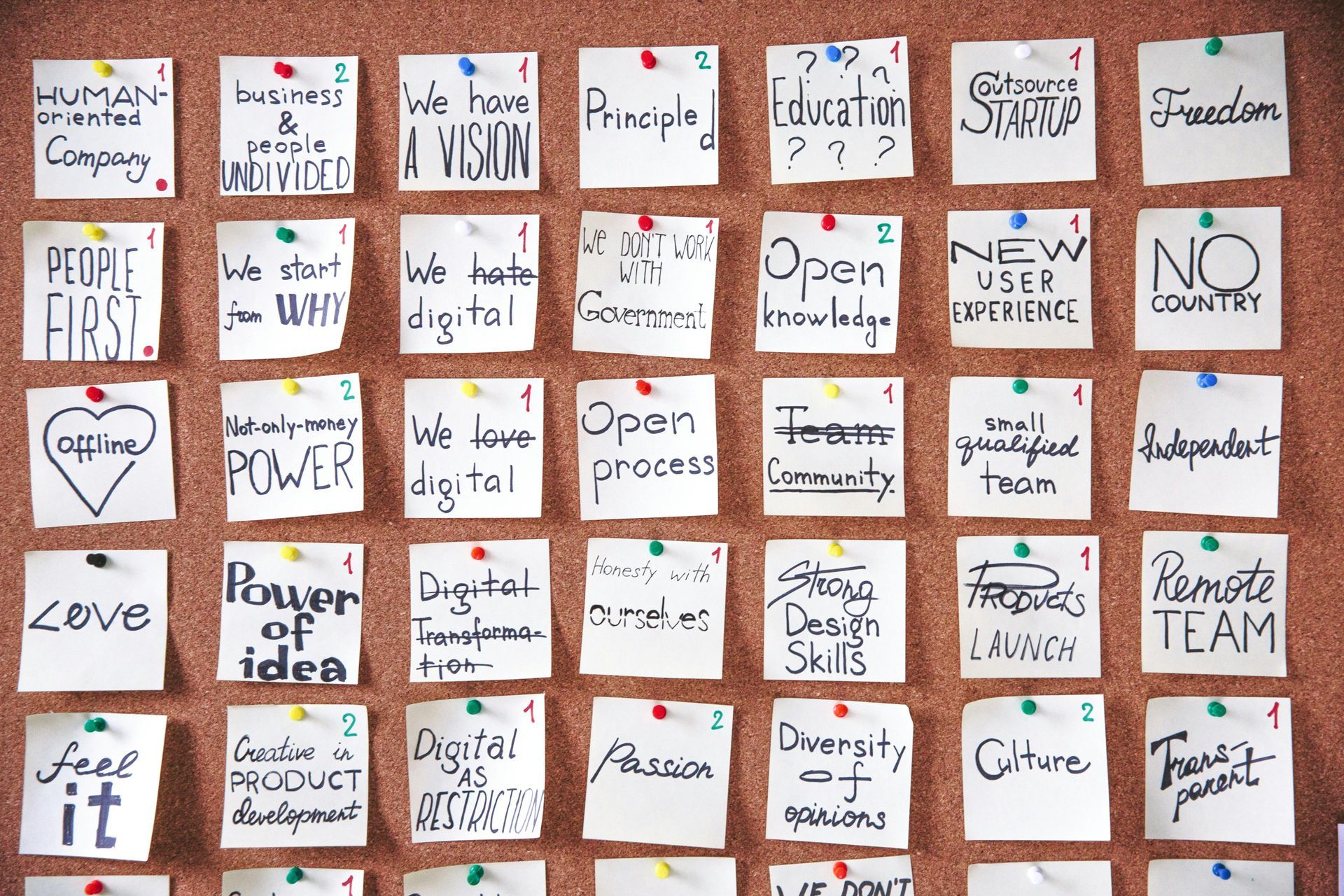
Introduction There is one behaviour I see in almost every organisation that quietly destroys performance - Leaders who cannot let go. They talk about empowerment. They promote autonomy. They encourage ownership. But when you look closer, the reality is very different: Too many approvals Too much oversight Too much second-guessing Too much “copy me in” Too much fear of mistakes Leaders become bottlenecks. Teams become hesitant. Momentum dies. What elite performance environments teach us In high-pressure situations, whether in sport or business, speed matters. Clarity matters. Trust matters. The best-performing teams don’t wait for permission. They make decisions close to the action because they’ve been: Trusted Trained Empowered And yes, mistakes happen. But here’s the part leaders often forget: The sun still rises the next day. Why empowerment fails inside organisations Three reasons show up again and again: 1. Leaders want control more than they want speed They say they want agile teams, yet they hold onto decisions out of habit, ego, or fear. 2. Mistakes are treated like moral failures In progressive environments, mistakes are learning moments. In many organisations, they’re career-limiting. 3. Trust is weak or inconsistent Empowerment without trust becomes chaos. Trust without empowerment becomes stagnation. Most leadership teams fall into one of those traps. What happens when leaders finally let go You see it instantly: Speed increases Ownership increases Confidence increases Innovation increases People stop waiting and start leading When people have true decision-making power, the energy of the organisation changes. You feel it. The uncomfortable truth for leaders Empowerment is not a principle. It’s a behaviour. You either show it or you don’t. And if you genuinely want a high-performing team, you must give up control before you feel ready. Not after . What decision do you need to stop owning this week? Next week, Part 3: Why Hiring the Wrong Person Can Destroy a Team Faster Than Anything Else We’ll explore culture, behaviour, glue people, and why competency alone is a dangerous hiring lens.
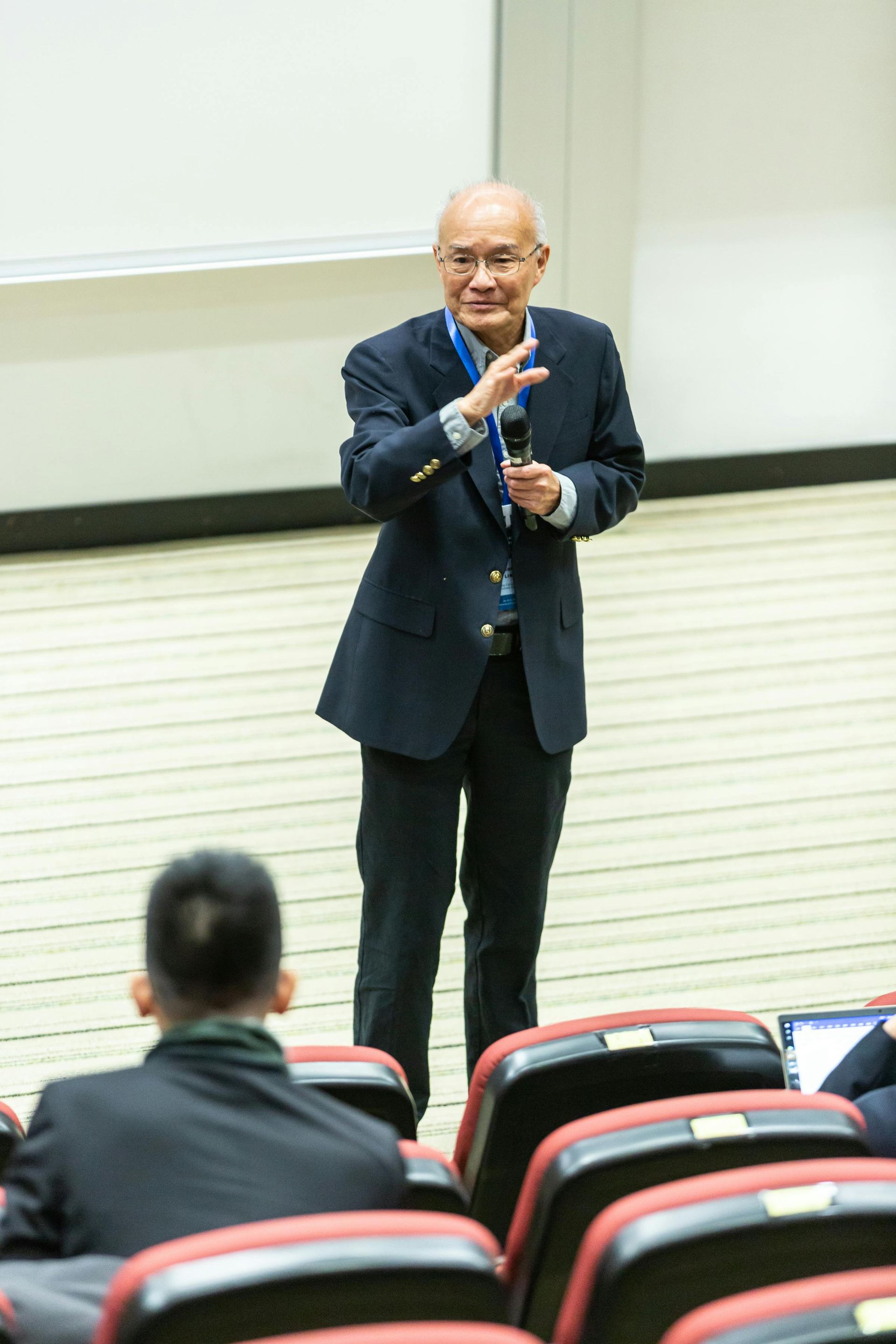
A 3-Part Series with Insights from Former Professional Rugby Coach & Leadership Advisor, Neil Tunnah “Leaders Don’t Have a Clarity Problem. They Have a Complexity Problem.”

Australia talks about skills shortages daily. Boardrooms, media, government - the same refrain: “Where will the talent come from?” Yet there’s a paradox at play.
If you lead a talent acquisition (TA) function today, you are standing at a crossroads. Artificial intelligence (AI) has gone from an “emerging trend” to a daily tool almost overnight. The industry has never faced this level of disruption.The right questions are already on the table: