
Most organisations cannot build a team in three years. Elite squads do it in three days
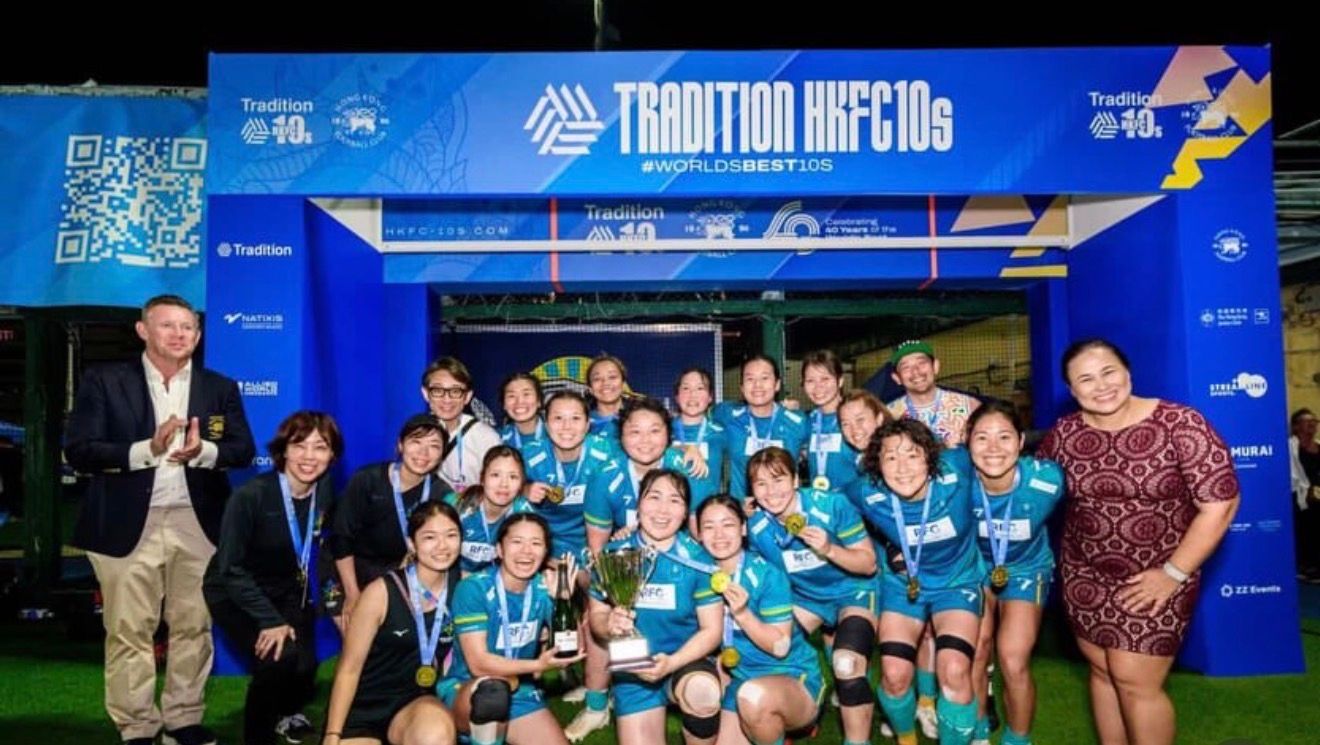
Last month I spent the week on the mic at the HKFC 10s in Hong Kong. Ground announcer for an invitational tens tournament that pulls squads from every corner of the world into Football Club for two days of competition.
The format is brutal in a way that should fascinate every founder I work with. Players land on Sunday or Monday morning. Most have never met. Coaches meet players at the same time. Captains figure out who plays where on the drive in from the airport. By Tuesday morning they are in pool play. By Wednesday night, trophies are lifted.
Forty eight hours from strangers to a team that wins.
Sit pitchside for an afternoon and you can tell which squads have done it well. The ball moves with intent. Defensive lines hold their shape under pressure. When something breaks down, players talk to each other rather than over each other. The wins and losses sort themselves out inside the first pool game.
The squads that get it wrong are easy to spot too. The second-guessing, the over-corrections from the sideline, the body language of a fly-half who does not yet trust his nine. Talented players, no team. They tend to go home early.
I have been thinking about this for two weeks. Mostly because I watch founders try to build teams every day and I see them spend months on what an invitational squad delivers in two.
The question is not whether founders are working hard at it. They are. The question is what the rugby squads have understood that most organisations have not.
Five things separate the squads that arrive as strangers and leave as a team from the ones that just leave.
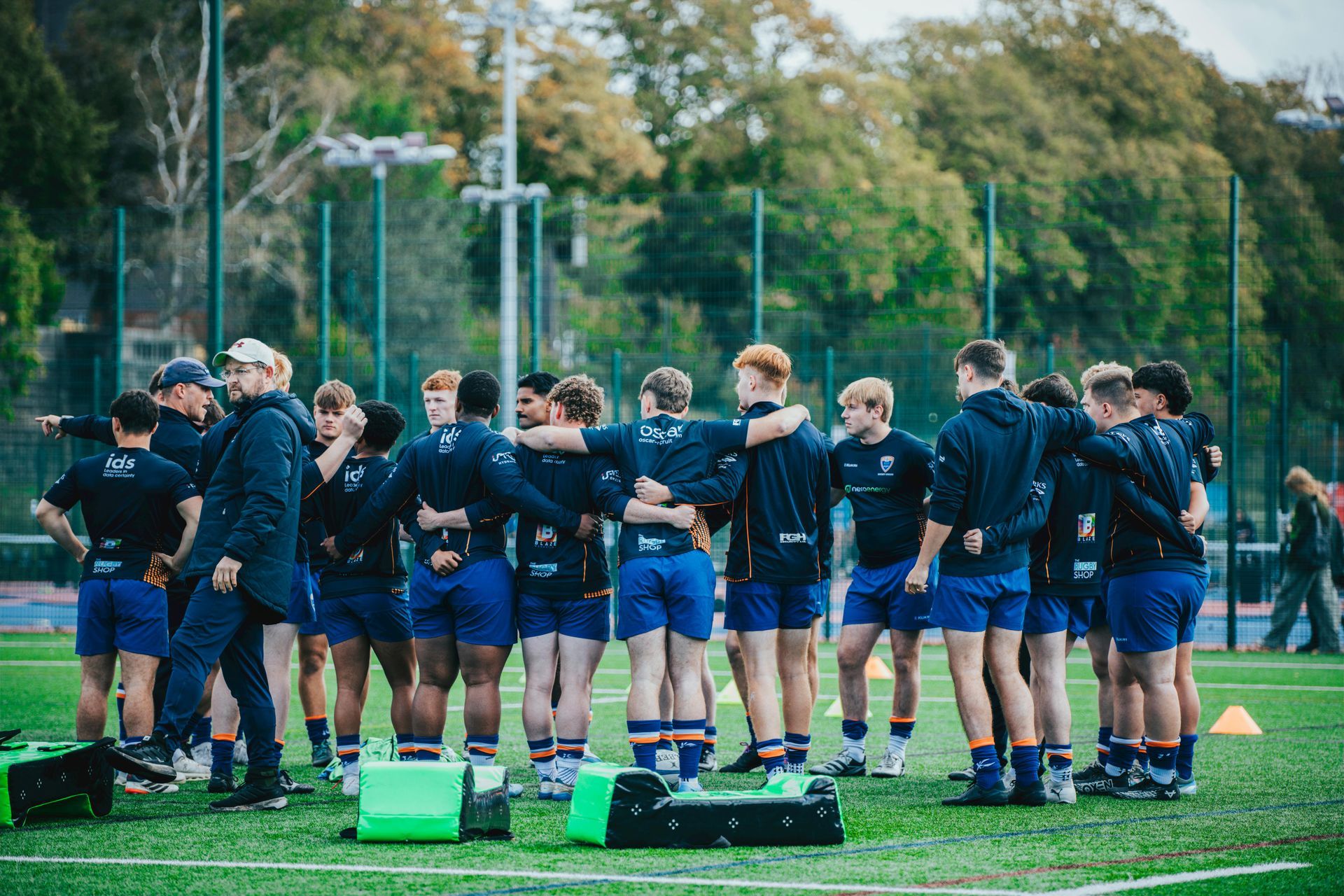
They select for right human, not the best player
The selectors at an invitational tournament will tell you the same thing every time. They are not picking the best player. They are picking the player who will bring the most overall human value to the squad. Good person. Good tourist. Willing to muck in. Open to the experience. Honest about the work that has to happen off the pitch as much as on it.
They knock the walls down early
The first session of an invitational squad is never tactical. It is human. Players pair up and tell each other their story. Then they tell that story back to the group on behalf of their partner. Sounds soft. Looks like a teambuilding cliché. It is not.
What it does is force vulnerability as the price of entry. By the time you have stood in front of fourteen strangers and said something true about the person next to you, you have built the kind of footing that no amount of trust falls or escape rooms ever produces.
Most organisations confuse activity with intimacy. They book the offsite. They schedule the workshop. They finish the day with everyone slightly more tired and no closer to actually knowing each other. The walls are still there. They have just been redecorated.
Founders who get this right understand that the work of a senior team is to be honest with each other under pressure. If they cannot be honest in the room when nothing is at stake, they have no chance of being honest when everything is.
They trust by default
In a contact sport you have your teammate's back or you do not. There is no period of earning it. Trust is extended on day one and you protect it by showing up.
That is the inverse of how trust operates in most businesses. New hires are on probation, formally or otherwise. Their judgement is questioned, their decisions reviewed, their access to the room conditional on a track record they have not yet had time to build. Then the founder wonders why the hire is tentative, slow, deferential.
Trust extended late never quite catches up. Trust extended early creates its own gravity. The hire performs at the level of the trust placed in them. Always has.
They align from the first meeting
Every invitational squad has the same conversation in the first hour. What are we here to do. What does success look like. How will we behave with each other when it goes wrong. The conversation is short, direct, and unambiguous. By the time they walk out of the room, every player and every coach is operating from the same map.
I cannot tell you how many businesses I have walked into where this conversation has not happened in three years, let alone three days. Senior teams running parallel agendas because no one has actually said out loud what the next twelve months are for. Each leader optimising for their own definition of winning. Founders surprised when the org pulls itself in different directions.
Alignment is not a quarterly slide deck. It is a conversation that happens at the start, gets rehearsed often, and becomes the lens every decision passes through. When it is missing, every other failure makes sense.
They represent with pride
Watch a squad walk out for their first pool game and you can tell which players are honoured to be in the jersey and which are turning up. The ones who are honoured play harder. They cover for each other. They make the small contributions that no one is going to notice but that change the shape of the game.
Pride is not a soft virtue. It is the multiplier that turns a competent group into a committed one. People who are proud of where they work, of who they work with, of what they are building, simply do better work.
Most organisations have leaked pride for years and stopped noticing. The cynicism is ambient. The standards have drifted. The senior hires who carry pride into their work are the ones who reset the tone for everyone else, but only if the founder lets them.
The hard question
At the end of the week in Hong Kong, the squads scatter back to the four corners of the globe. Lifelong friendships formed in the time most businesses take to schedule a culture workshop.
The principles are not exotic. Selection on character. Vulnerability early. Trust by default. Alignment that is real. Pride extended and protected. Five things, none of them complicated.
The question is not whether your organisation could compete with that.
It is why it isn't.